Top 10 Things To Do in Tallinn, Ranked
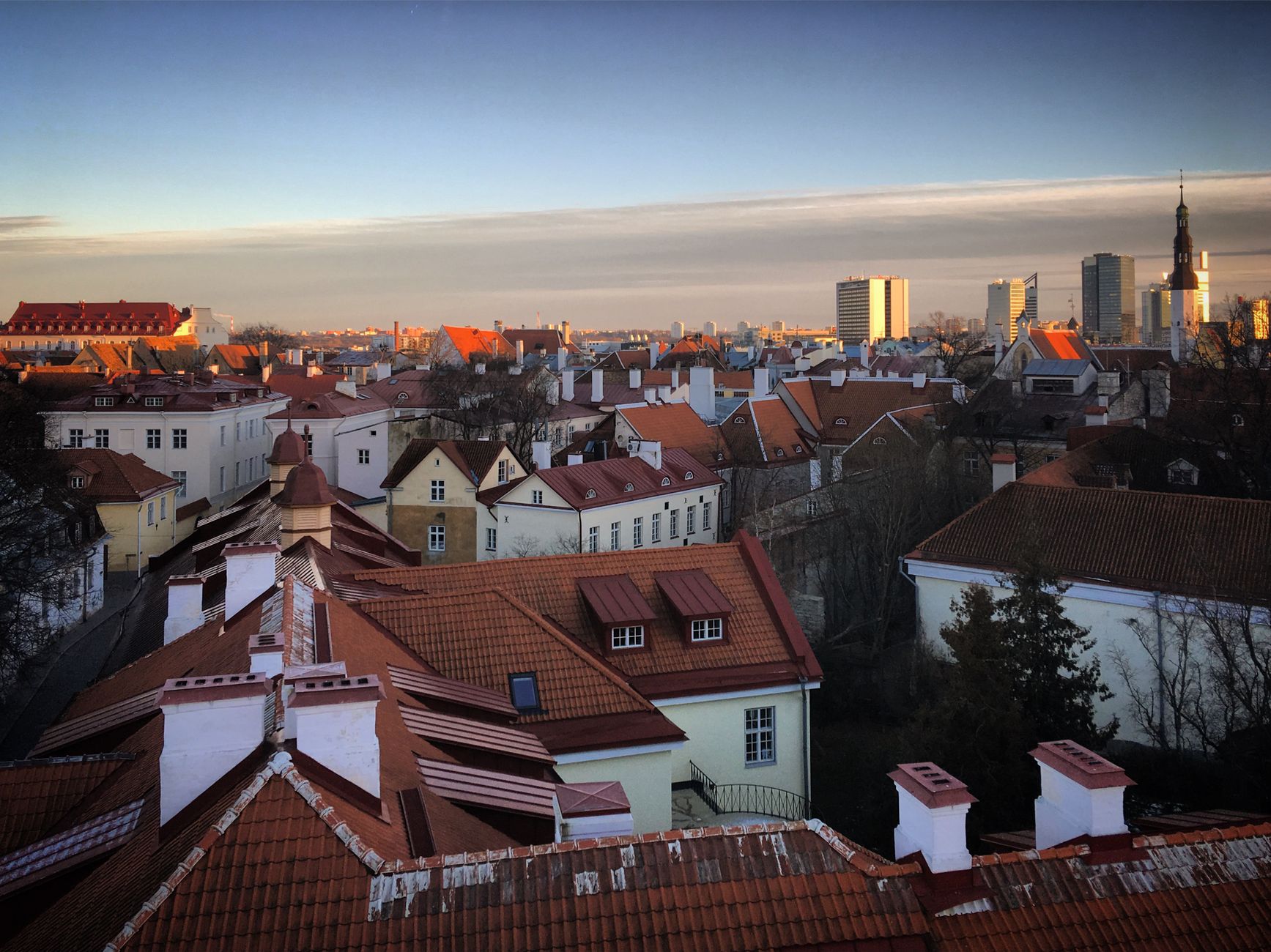 Tallinn Old Town rooftops from Toompea viewing platform
A committed ranking of the 10 experiences that actually justify a Tallinn trip, from the medieval core to the Soviet ruin nobody prepares you for.
1. Walk the Old Town wall from Hellemann Tower
This goes first because it's the thing Tallinn does better than any other capital in the Baltic and it costs €3. Hellemann Tower on Muurivahe is the entry point most tourists miss because they queue at the pricier combined ticket by Nunne. You climb a wooden stair, walk about 200 metres of covered rampart, and look down onto the sloping red roofs of Vanalinn from inside the wall itself, not from a platform designed for tour buses. Go before 11am and you’ll share it with maybe three other people.
The catch: the walkway is narrow, uneven, and closed in bad ice. Skip if you have mobility issues or you’re carrying a toddler. If Hellemann is shut, the Nunne-Sauna-Kuldjala stretch is longer (€5) but busier and less atmospheric. Either way, this ranks above every viewpoint in the city because you’re inside the fortification, not photographing it. Combine with a coffee at Kohvik Sesoon on Vene 8 immediately after — five minutes' walk and the closest good espresso to the tower exit.
2. Half a day at the Seaplane Harbour
Lennusadam is the maritime museum inside a 1917 concrete hangar the Russians built to house naval seaplanes. The hangar itself — three interlocking domes with no supporting columns, an engineering flex from a hundred years ago — is worth the €18 ticket before you even see an exhibit. Inside there's a full Lembit submarine you climb through, a replica seaplane hanging from the ceiling, and enough interactive stations to occupy kids for three hours. Adults get the icebreaker Suur Toll moored outside, boardable and free with the museum ticket.
It's a 25-minute walk from Old Town along the Kalamaja waterfront or a €5 taxi. Go on a weekday afternoon in shoulder season — summer weekends see coach groups arrive at 11am and stay till 2. The on-site cafe is fine for coffee but skip lunch there; walk 10 minutes back toward Balti Jaam and eat at the market hall instead. Rank two because it's the one indoor thing that works in any weather and holds every age.
3. Kadriorg Park and KUMU together
Peter the Great built Kadriorg for Catherine in 1718 and the park still runs on that scale — 70 hectares of formal gardens, a swan pond, and the pink baroque palace at the far end. Walk in from the tram 1 or 3 terminus, cross the length of it, and you arrive at KUMU, the Estonian national art museum. The building alone (Pekka Vapaavuori, 2006) is worth the trip: seven storeys of copper and limestone dug into a hillside.
KUMU costs €12 and needs two hours minimum. The permanent collection covers Estonian art from 18th-century portraiture to Soviet nonconformists to post-90s contemporary — the Soviet-era rooms on the fourth floor are what most visitors remember. Combine with lunch at NOP on Koidula 4, five minutes from the museum, for open sandwiches and good soup around €12. This edges out the Old Town churches because you get greenery, a proper museum, and a neighbourhood in one loop.
4. Telliskivi on a Saturday
The old railway workshops in Kalamaja became a creative quarter around 2010 and it's now the reliable answer for anyone who's done the Old Town and wants to see where Tallinners actually go. Fotografiska is here (€16, four floors of contemporary photography, better cafe on the top floor than most standalone restaurants), plus roughly 20 independent shops, a flea market on Saturdays, and a food court called Peatus built inside old train carriages.
Saturday between 11 and 3 is the peak — the flea market is running, F-hoone and Sfaar are both doing brunch, and there's usually something in the courtyard. Weekday evenings are quieter but half the shops close by 6. Skip Sunday morning; everything opens late. It ranks fourth because it's the most consistent single stop for a half-day of eating, drinking, and browsing without a fixed itinerary.
5. Day trip to Lahemaa National Park
Ninety minutes east of Tallinn by car, Lahemaa is 725 square kilometres of coastal forest, bog boardwalks, manor houses and fishing villages. The Viru bog boardwalk is the signature walk — 3.5km loop, wooden planks over open peatland, a viewing tower halfway. Palmse Manor is the restored 18th-century estate for lunch and a wander. Kasmu is the sea-captain village on a peninsula that feels like nowhere else in Estonia.
You need a car or a tour — public bus reaches only the edges. Rental from Tallinn airport runs €35-50/day off-season; guided minibus day tours are €70-90 per person. Traveller by Foot and Estonian Nature Tours both run credible small-group trips. Rank five because it's the one out-of-town trip where the landscape is genuinely different from what you saw walking to the hotel. Do it on your second full day, not your last — weather can force a switch.
6. Patarei Prison before it changes
Patarei is a decommissioned tsarist sea fortress that became a Soviet then Estonian prison and closed in 2004. Since 2019 a small section has been open as a memorial to the victims of communism (€8). You walk through actual cell blocks, the execution room, the medical wing — nothing has been restored, water damage everywhere, paint peeling. It's the most affecting hour you’ll spend in Tallinn and the one that lands hardest with visitors from Western Europe who didn’t grow up next door to this.
The building is being redeveloped and the raw version will not exist much longer. Go in 2026 if you can. Open May to September only, closed Mondays, guided visits recommended over self-guided because the labelling is thin. Not suitable for children under about 12. This ranks sixth despite being the heaviest experience on the list because it's the honest counterweight to the pretty medieval postcards — Tallinn is both.
7. Sauna evening at Iglupark or Kalma
Estonians take sauna as seriously as Finns and there are two ways to try it as a visitor. Iglupark on the Noblessner waterfront is the tourist-friendly option: private igloo-shaped saunas on the sea with a cold plunge into the Baltic, €80-120 for two hours for a group of up to six, book online. Fully clothed transitions, English-speaking staff, good for first-timers.
Kalma Saun on Vana-Kalamaja 9a is the 1928 public bathhouse where locals still go. €10 gets you into the general steam room; men and women are separate and it's traditional nude. Bring flip-flops, a towel, and don’t be shy about the venik (birch branches) if someone offers. It's the most authentic hour in the city that costs less than a museum ticket. Rank seven because sauna is genuinely central to how Estonians live and you’ll leave with a better understanding of the place than another church visit gives you.
8. Ferry to Naissaar or Aegna
Naissaar is a former Soviet naval mining base 10km off Tallinn, now a nature reserve with abandoned barracks, a narrow-gauge railway, and empty beaches. Aegna is smaller, closer (5km) and easier as a half-day. Both run passenger ferries from Kalasadam or Pirita in summer only — Naissaar sails roughly weekends June through August, Aegna more often. Check Kihnu Veeteed and Tuule Liinid schedules the week you go.
Bring everything: food, water, sunscreen, insect repellent. There is nothing on either island except one seasonal cafe on Naissaar. This is not a comfortable day out, it's a genuinely off-grid experience 45 minutes from the capital. Rank eight because the season is short and the logistics require planning most travellers won’t do — but if you’re here in July with a spare day, it beats another walk through the Old Town by a distance.
Before you book
The questions people ask about Kalamaja, answered with this month’s numbers.
Four full days, minimum. One for the Old Town wall, churches and Toompea; one for Kadriorg-KUMU plus Telliskivi; one for the Lahemaa day trip; one for Seaplane Harbour, Patarei and a sauna evening. The island ferry is a stretch fifth day in summer only.
Alexander Nevsky Cathedral (you’ll walk past it on Toompea anyway), the TV Tower (long taxi, mediocre view compared to Toompea), Rocca al Mare open-air museum (fine but similar experiences exist across the Baltic), and any of the medieval-themed restaurants. Not because they’re bad, just not top-10.
Only if you’re squeezing three or more paid attractions into 24 hours. The 48-hour card is €55; Seaplane Harbour + KUMU + Patarei + one tram/bus ride comes to about €45 paid separately. It pays off only if you add the TV Tower or open-air museum, which the ranking doesn’t recommend.
Wall walk from Hellemann in the morning, lunch in the Old Town, tram to Kadriorg and KUMU in the afternoon, dinner in Telliskivi. That's the highest-quality single day the city offers and covers medieval, art, and current-Tallinn without feeling rushed.


