Estonia's winter capital: rolling hills, floodlit ski trails, Lake Pühajärv, and a summer second life for mountain bikers and hikers.
Otepää is where Estonians go to pretend they have mountains, and they commit to the bluff completely. The hills here reach barely 200 metres, but the terrain rolls hard enough that the cross-country ski network around Tehvandi and the Kääriku sports centre is a genuine World Cup venue — the Tartu Marathon's 63 km course starts here in February and pulls thousands of skiers. From late December to early March, if there is snow, the town is loud, booked out and full of roof boxes. Lipuväljak, the small central square, has queues at the bakery at 8am and people in ski boots buying beer at four in the afternoon.
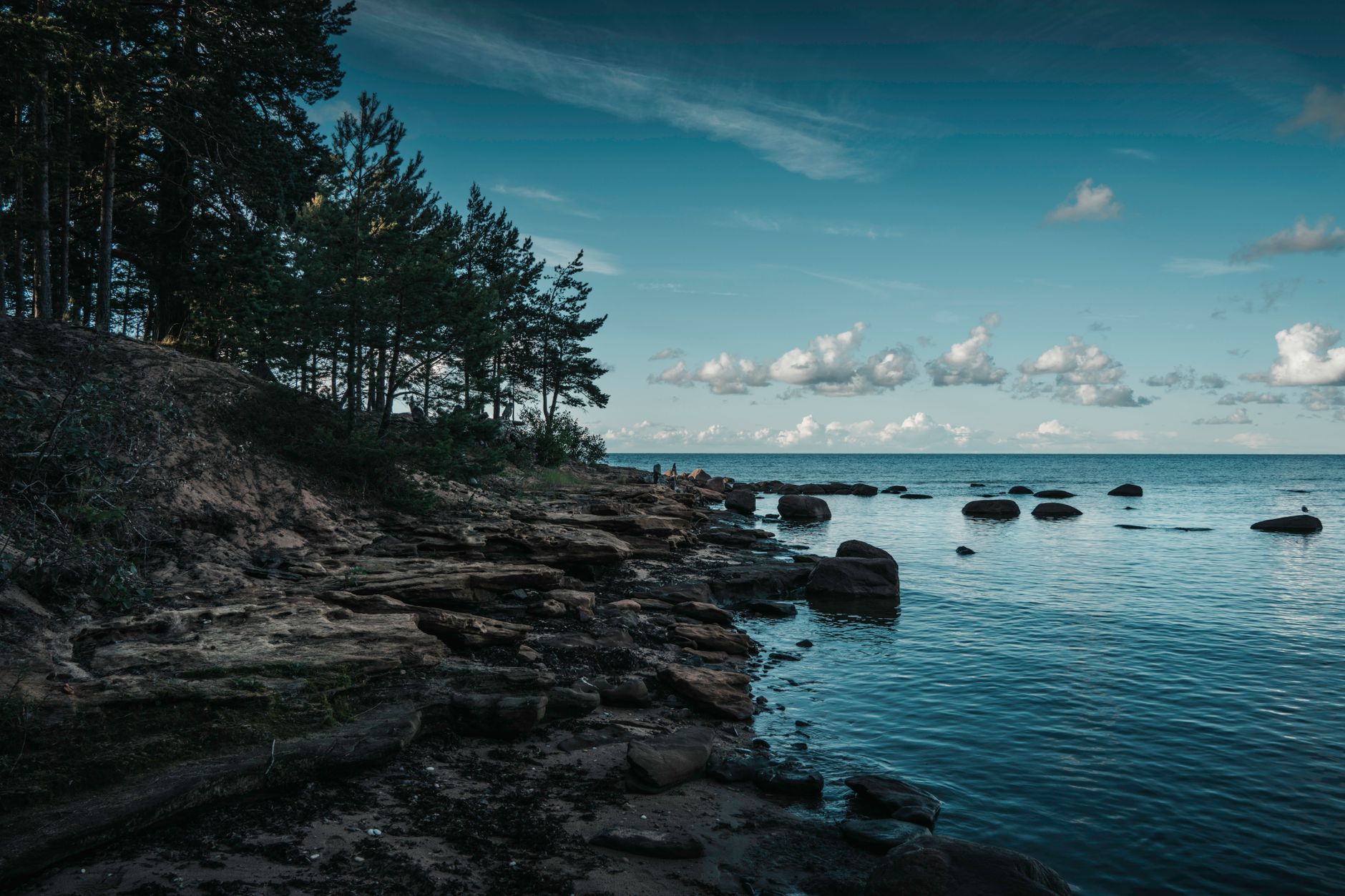
Then there is the other Otepää. No snow, and the town is a quiet Estonian small town of 2,000 with a stone church on a hill, a lake at the edge of it and hardly anyone about. That version is underrated. Pühajärv, the 'holy lake', has a 12 km shore path, sandy swimming spots and rope swings; the Tehvandi stadium's roller-ski tracks and the Otepää mountain-bike singletrack pull cyclists from June to September. Prices halve. You can get a lakeside room for €55 in mid-June that costs €140 the week of the marathon.
Be clear-eyed about the risk: snow is not guaranteed. In warm winters Otepää survives on artificial snow on a 2.5 km loop at Tehvandi and everything else is brown mud. Check webcams before committing a February weekend at peak prices. Alpine skiing is limited too — Kuutsemäe and Väike-Munamägi offer short runs with lifts, fine for learning and for children, laughable if you have skied the Alps. Come here for cross-country, tubing, sauna and lake, and you will not be disappointed.
Who should skip it? Anyone wanting cities, museums or coast. Otepää is 44 km south of Tartu and it feels like a place people drive to for a purpose. Evenings mean the hotel restaurant, a sauna, and bed by eleven, occasionally punctuated by a very sudden festival crowd. Families and nature travellers, on the other hand, get more out of it than almost anywhere inland.
Where to sleep
Two distinct choices. Around Lipuväljak and the streets off Munamäe you are walking distance to the bakery, the shop, the bus stop and a couple of restaurants — €60-90 for a double in summer, €110-160 in ski season. Around Lake Pühajärv, 2 km southwest, the big spa and resort hotels sit on the water with saunas, pools and their own trail access; better for families, worse for spontaneity, and you will drive for anything else. Budget €80-130, up to €180 marathon weekend. Self-catering cabins and farm stays scattered on the Kääriku and Sihva roads are the best value if you have a car, often €70-100 for four people. Avoid booking anything without checking distance to a groomed track in winter — a hotel 6 km from Tehvandi with no shuttle is a hire-car obligation, and the local buses will not save you.
On the ground
Things to do in Otepää
- Ski the Tehvandi cross-country trail networkTehvandi Sports Centre, 2 km south of Lipuväljak on the Kääriku road, is the hub: classic and skate tracks, floodlit evening loops and an artificial-snow circuit that opens first. Trail use is free or low-cost; ski rental in town runs €15-20 a day. Check conditions before travelling.
- Walk the Pühajärv lake shore pathThe full circuit of the 'holy lake' is roughly 12 km from the Pühajärv beach car park southwest of town, past oaks, islets, rope swings and the Dalai Lama memorial stone. Mostly flat, one boggy section after rain. Allow three hours; swimming spots along the north shore.
- Ride the Otepää singletrack and roller-ski loopsSummer mountain-bike trails thread the hills between Tehvandi and Kääriku, with marked singletrack and forest doubletrack. Bike hire around €25 a day in town. The Tehvandi roller-ski track is also open to cyclists and inline skaters when no training session is booked.
- Climb the Tehvandi ski jump tower for the viewThe jump hill and observation tower at Tehvandi give the best overview of the Otepää uplands, in-run, stadium and forest ridgelines, generally open in summer for a few euros. It puts the whole 'Estonian mountains' claim into honest perspective — and it is still a fine panorama.
- Learn to downhill ski at KuutsemäeKuutsemäe, about 12 km southwest, has the area's longest alpine runs with lifts, snow parks and night skiing, plus tubing for smaller children. Day passes around €25-32, gear rental extra. Short runs, honest about it, and ideal for a first-time skier or a family weekend.
- Sauna after skiing, properlyAlmost every guesthouse around Pühajärv and the Sihva road has a wood-fired or smoke sauna; book a private hour, usually €25-45 for the room. Smoke saunas in this part of south Estonia are on the UNESCO intangible heritage list and are a slow two-hour ritual, not a quick sweat.
The essentials
Church Hill to Pühajärv Shore (7 km)
Begin at St Mary's Church on Otepää's hilltop above Lipuväljak, drop through town on Munamäe, then take the path south to Tehvandi stadium and the ski-jump towers. Cross the trail network toward Sihva, then descend to Pühajärv's northern beach and follow the shore path west past the oak grove and the Dalai Lama stone before returning up the lake road.
Getting there & around
From Tartu, coaches to Otepää leave the bus station on Turu several times a day, take 50-60 minutes and cost €4-6; from Tallinn allow 3 to 3.5 hours with a change in Tartu, around €14. Driving from Tartu is 44 km on route 3 then 71, about 45 minutes; from Tallinn 220 km, roughly two and a half hours. Inside the area, a car is close to essential outside the immediate centre — Tehvandi is a 25-minute walk from Lipuväljak, Pühajärv beach 30 minutes, Kuutsemäe well beyond walking. In peak ski weeks some hotels run guest shuttles to the trails; confirm this when booking rather than assuming. Parking is free everywhere and plentiful except on race days.
Good to know
Otepää, questions answered
Is there reliably snow in Otepää?
Not reliably. A good winter gives skiable tracks from late December to mid-March, but warm winters leave only the artificial-snow loop at Tehvandi, roughly 2.5 km. Check the Tehvandi webcams and snow reports a few days before you travel, especially if you are paying peak prices in February.
When is the Tartu Marathon and how does it affect prices?
The 63 km cross-country ski marathon runs from Otepää in mid-February, with thousands of participants. Accommodation across the whole area is booked months ahead and prices roughly double, often €150-200 a night. If you are not skiing it, pick a different weekend entirely.
Is Otepää worth visiting in summer?
Yes, and it is far cheaper. Pühajärv has a good sandy swimming beach and a 12 km shore path, the mountain-bike singletrack and roller-ski tracks are open, and rooms fall to €55-90. The town itself is very quiet in July, so bring a plan rather than expecting street life.
Can you downhill ski at Otepää?
Only modestly. Kuutsemäe, 12 km away, has the longest runs with lifts and a snow park, and Väike-Munamägi has short slopes closer to town. Day passes are around €25-32. It suits beginners, children and tubing; experienced alpine skiers will find the vertical drop very small.
Keep exploring
Nearby areas
stays
Võru
Grid-plan lake town in Estonia's deep south, best base for Suur Munamägi, Vastseliina castle, Setomaa and canoe trips on the Võhandu.
Stays in Võru ↗
stays
Tartu
Estonia's university city: a neoclassical centre, cathedral ruins on a wooded hill, wooden suburbs and student bars that stay cheap.
Stays in Tartu ↗
stays
Setomaa
Estonia's southeastern corner where the Seto people keep their own language, leelo polyphonic song, silver jewellery and Orthodox village feasts.
Stays in Setomaa ↗Doing good is the business: every booking through Estonia Destinations funds one verified tonne of carbon removal — same room, same price, no markup.
Search stays